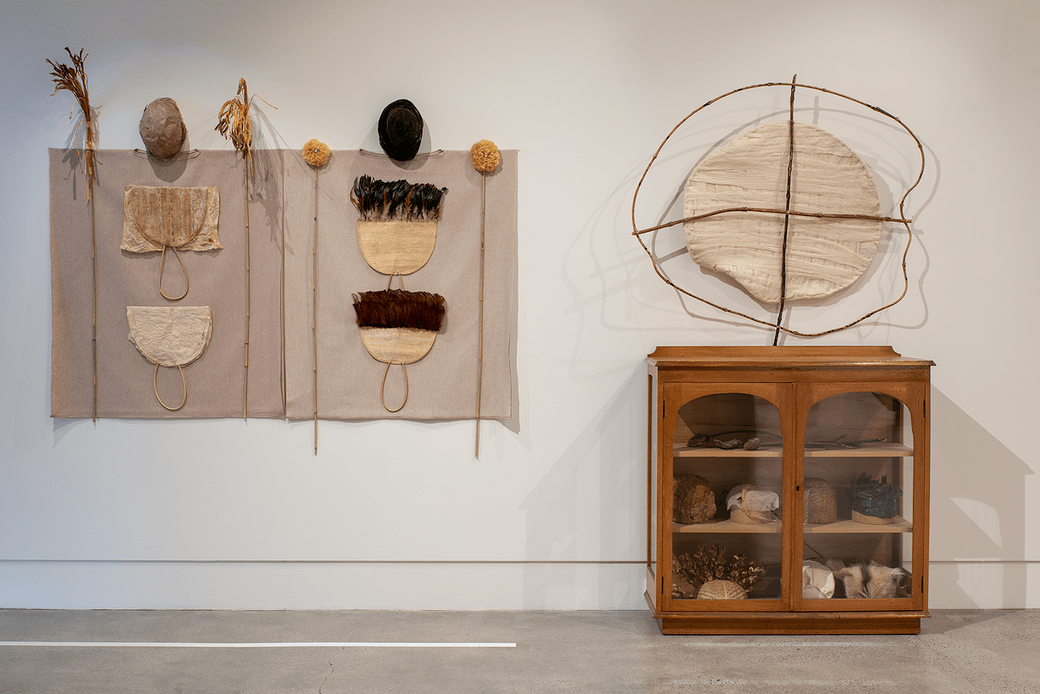
Christine Hellyar, Embodied Knowledge, 2018
My art practice lies in the collective custom of collation and assemblage. Embracing the histories, meanings and associations that accompany particular objects, materials and processes, I absorb extrinsic techniques and artefacts; gathering, arranging and modifying matter from outside of my own immediate geographical and temporal, cultural sphere. It is an acknowledged borrowing, an acculturation. This cross-cultural assimilation and its resultant hybridity creates a rich heterogeneous entanglement which captivates my sensibilities and forms the basis of my field of enquiry. In particular, I am drawn to the medium of clay, of earth, burnt wood, root systems and precious metals, not only for their structural and aesthetic nuances but for the myriad connotations and potent narratives which reside within.
I am continually intrigued by the mutable boundaries of ownership and authorship, and quite how and where these indistinct and clouded lines are drawn. One artwork which delves wholeheartedly into these issues and that I am repeatedly drawn back to is Michael Landy’s performative installation Break Down 2001, in which he individually destroyed every item that he owned at the time.
Such an all encompassing undertaking; each documented category of possessions (photographs, official documentation, money) laden with consequential significance. But it is one particular category and pertinent fact which haunts me: he destroyed other artists’ artworks as well as his own. Is that legally, morally or ethically acceptable? Is art ever really ‘owned’? Or are prospective buyers merely posterity’s de facto caretakers? So too, land. The one-sided histories and problematic politics of the past are fraught with contention, centring perhaps on conflicting understandings and translations relating to entailments of possession and ownership. Without trying to tell other people’s stories, which is neither my place or intention, it is however important to acknowledge these inequities. How to best do so authentically and respectfully is where I situate my enquiry. The taxonomical practices of measuring, classifying and naming, an impulse of the Imperialist age, confer an implied ownership.
“In times of colonial amplification, mapping, with its essential bounding capacity, is a tool of possession, framing and claiming…Unmapped land was unoccupied, and to that extent unpossessed.” (Waghorn, 2011, P.8)
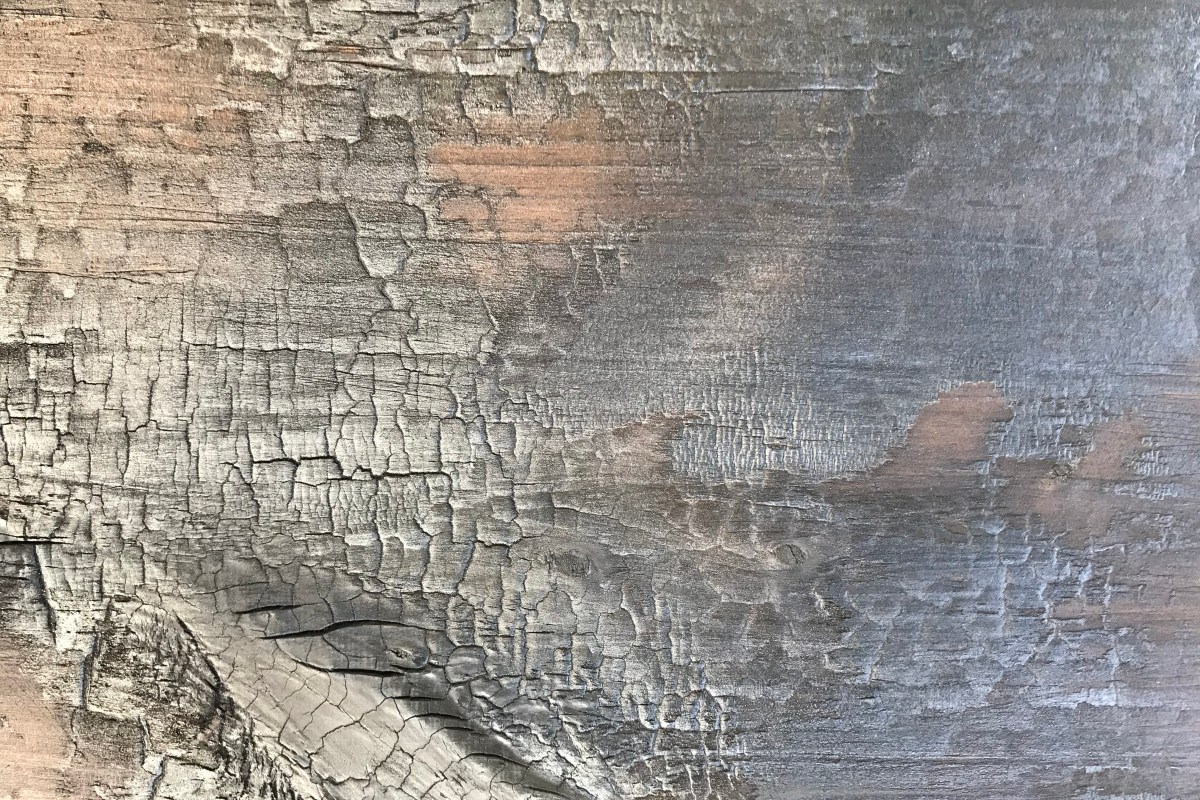
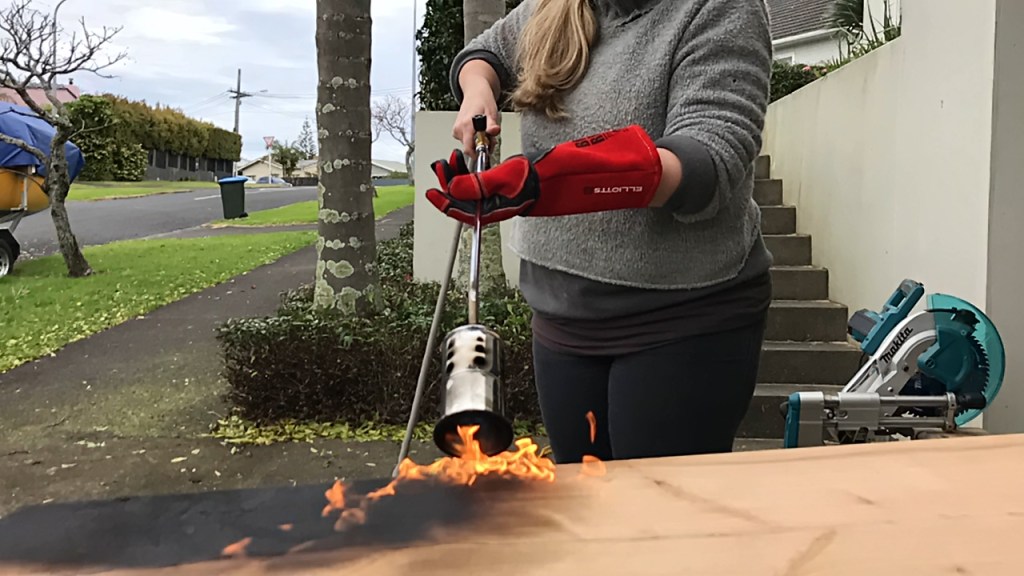
My MFA art practice is specifically about acculturation, about how different materials, cultures or processes are borrowed or shared (with or without consent). From one artist overwriting another artist’s practice in my earlier kintsugi works to the yakiusugi (shou sugi ban) traditional Japanese wood-burning techniques I am currently utilising. I find myself returning always to the same topics which intrigue and inspire me: preservation and decay, value systems, and museology (display modes, taxonomy and the policies and choices behind what is stored or displayed and how). Many of these themes appear rooted in Victorian histories and sensibilities. So, whether I aim it or not, I always incline toward Victorian (and therefore while based in New Zealand) colonial topics. In these muddied waters I do not claim any authority or manifesto. I simply seek to understand and acknowledge these composite histories.
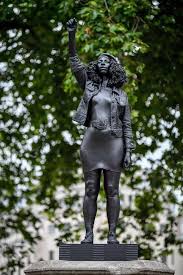
Earlier this year cities worldwide saw the egalitarian toppling of outmoded statues; classical representations of wealthy and powerful figures who earned their status by somewhat dubious means. I watched the ensuing conversation with great interest. The populist removal of the monument to former slave trader Edward Colston from the Bristol cityscape in July was, in the weeks after, replaced by the figure of a black woman, Jen Reid, whose triumphant stance atop the recently vacated plinth had become the meme of the moment. This new sculpture was the work of established British artist Marc Quinn. Although on initial encounter this doubtless well-intentioned act may seem an egalitarian one, designed to celebrate the empowerment of the previously disenfranchised, it conversely exemplified the antithesis. Instead of being a declaration of power and a reclaiming of voice to the traditionally underrepresented, the story is told once again from the point of view of a white, middle class male from the Art establishment.
“for a white artist to suddenly capitalise on the experiences of Black pain, by putting themselves forward to replace the statutes of white slave owners seems like a clear example of a saviour complex and cannot be the precedent that is set for genuine allyship.” (Price, 2020)
This episode was an important realisation for me and a reminder not to take on or take over issues that are not mine to take. I look to the work of Christine Hellyar in this particular domain, for inspiring examples of navigating these historically problematic waters with awareness and consideration.
References
Waghorn, Kathy. Kei konei koe/you are here: Mapping Auckland. Auckland: Auckland War Memorial Museum, 2011.
Price, Thomas J. The problem with Marc Quinn’s Black Lives Matter sculpture, 16th July 2020: The Art Newspaper, https://www.theartnewspaper.com/comment/a-votive-statue-to-appropriation-the-problem-with-marc-quinn-s-black-lives-matter-sculpture
 Abbie Read