Lively Collisions

DEMO 3.0 215 Karangahape Road, Auckland

Lively collisions 22 October – 23 October 2020

Dan Arps, Gitanjali Bhatt, Fiona Cable, Samantha Cheng, Stella Corkery, Brunelle Dias, Claudia Dunes, Matt Ellwood, Celine Frampton, Louise Kenn, Giulio Laura, Wendy Lawson, Tanya Martusheff, Dane Mitchell, Abbie Read, Glen Snow, Amy Unkovich 

LIVELY COLLISIONS

In October 2017 Scientists detected a mysterious object hurtling past our solar system. The object 11/2017 U1 was given the name ‘Oumuamua, a Hawaiian term for scout or “messenger that reaches out from the distant past.” Analysis showed its orbit is almost impossible to achieve from within our solar system, therefore its origin is interstellar. ‘Oumuamua is the first space rock identified as forming around another star, according to researchers it could be one of 10,000 lurking undetected in our cosmic neighbourhood.

It was noted that after passing the sun, ‘Oumuamua suddenly sped up, could it have been pushed by the sunlight striking it, like a deliberately designed solar sail? Some speculated that ‘Oumuamua is a light sail, floating in interstellar space as debris from an advanced technological equipment. In early December 2017, astronomers on an alien-hunting project known as Breakthrough Listen used the huge Green Bank telescope in West Virginia to monitor ‘Oumuamua for radio signals in case it happened to be a passing spacecraft, and not an interstellar asteroid after all. To date, no signs of intelligence have been found.

‘Oumuamua is an extremely dark object, absorbing 96% of the light that falls on its surface. It is coloured red, a hallmark of organic molecules, the building blocks of the biological molecules that allow life to function. Cigar-shaped, it is extremely elongated and roughly 400 metres long. This slowly spinning skyscraper-shaped object has a greyish-red surface crust and potentially ice in its heart.

The deep surface layer is made of carbon-rich gunk baked in interstellar radiation during its cosmic travels. This upper layer was formed when organic ices such as frozen carbon dioxide, methane and methanol were battered by the intense radiation that exists between the stars. The outer crust may have formed on the body when comet ices and comet dust grains were baked with high energy particles for millions or even billions of years. This process is what could have produced ‘Oumuamua’s tumbling motion, colour and unusual shape.

It is thought that ‘Oumuamua is an active asteroid, the remnants of a larger body that was torn apart by its parent star and then ejected into interstellar space. Indeed most planetary bodies consist of numerous pieces of rock that have coalesced under the influence of gravity. These can be imagined as sandcastles floating in space. With objects such as ‘Oumuamua passing through “habitable zones”, such as our own solar system, they may even carry with them seeds of life.

Perhaps ‘Oumuamua can be read as a kind of ur-sculpture, an object that has been crafted over millions of years with comet ices and dust, baked by cosmic radiation like a vase within a kiln. Made via processes of layering, melting, coalescing, colouring, tumbling, moving and travelling, it seems fitting to consider ‘Oumuamua in the context of an exhibition of artworks that are the result of material driven processes of making. Imaginatively bringing an interstellar object together with these artworks creates a collision that is capricious, but one that is also lively.

[attribution here – exhibition text]

References

“Do Scientists really think ‘Oumuamua is an alien spaceship?”The Guardian https://www.theguardian.com/science/shortcuts/2018/nov/07/oumuamua-alien-spaceship-scientists-harvard-professors (Accessed 20 October 2020)

Stuart Clark, “Mysterious object confirmed to be from another solar system” The Guardian https://www.theguardian.com/science/across-the-universe/2017/nov/20/interstellar-object-confirmed-to-be-from-another-solar-system (Accessed 20 Oct 2020)

Nicola Davis, “Interstellar object ‘Oumuamua believed to be ‘active asteroid” The Guardian https://www.theguardian.com/science/2020/apr/13/interstellar-object-oumuamua-believed-to-be-active-asteroid(Accessed 20 October 2020)

Ian Sample, “Interstellar object ‘Oumuamua covered in ‘thick crust of carbon-rich gunk” The Guardian https://www.theguardian.com/science/2017/dec/18/interstellar-object-oumuamua-covered-in-thick-crust-of-carbon-rich-gunk (Accessed 20 October 2020)
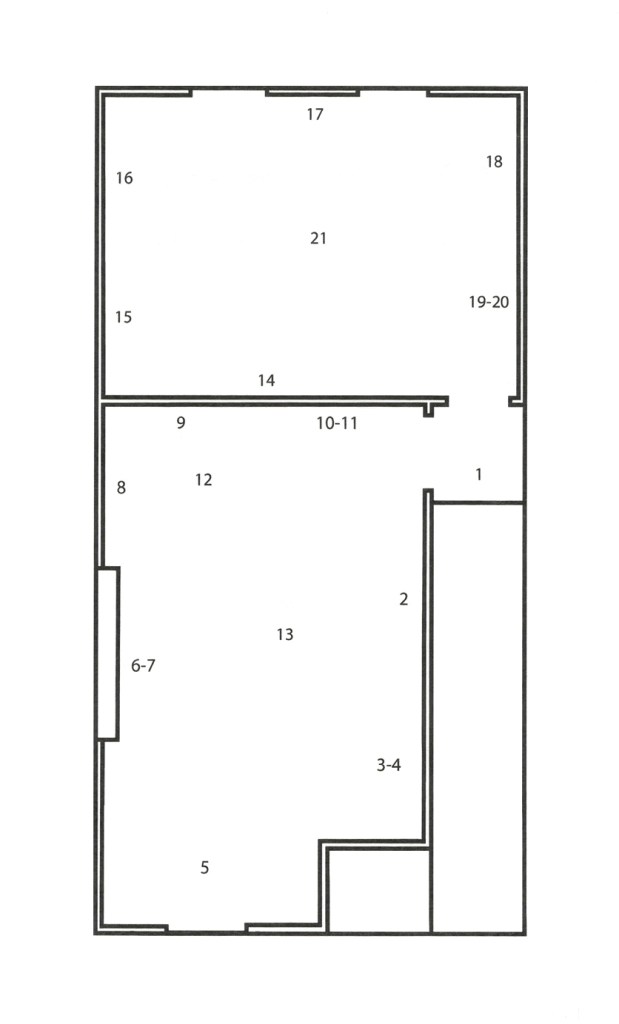
1 Celine Frampton, 3152294-1930 with ć Enilec variant2, 2020, Digital video, 4’ 15”

2 Wendy Lawson, To Piece – arm span 1760mm, 2020, Tea-stained canvas and glue

3-4 Samantha Cheng, green outdoor, large water, and water nature, boat mountain, 2020, Digital photographs

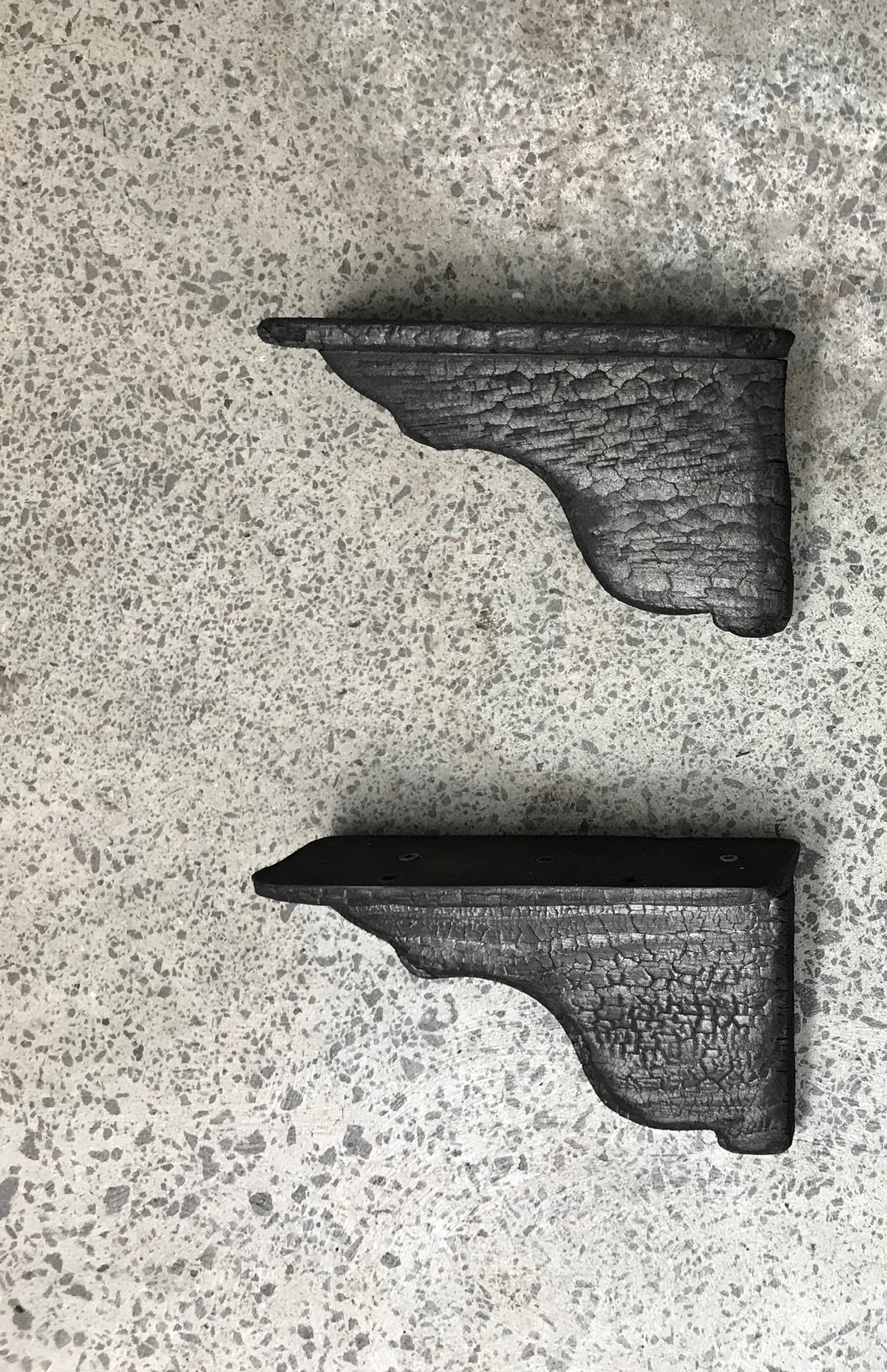
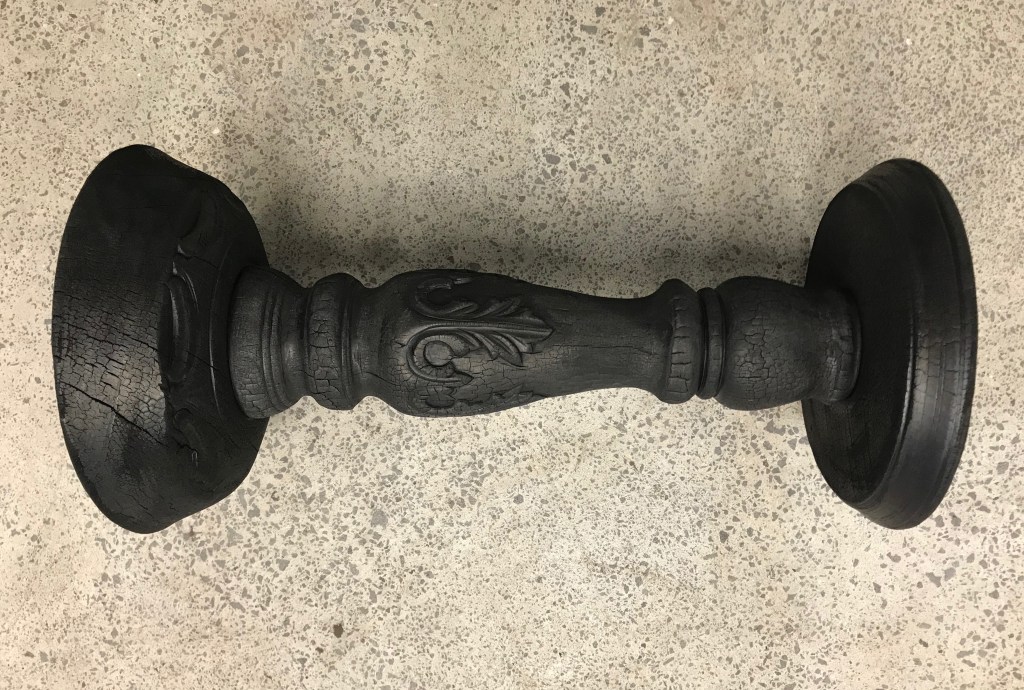
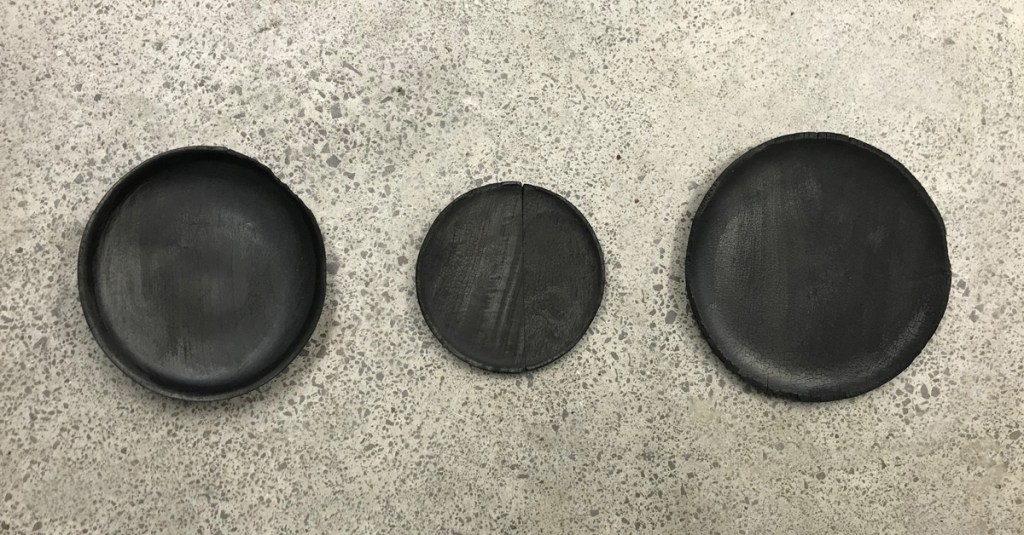
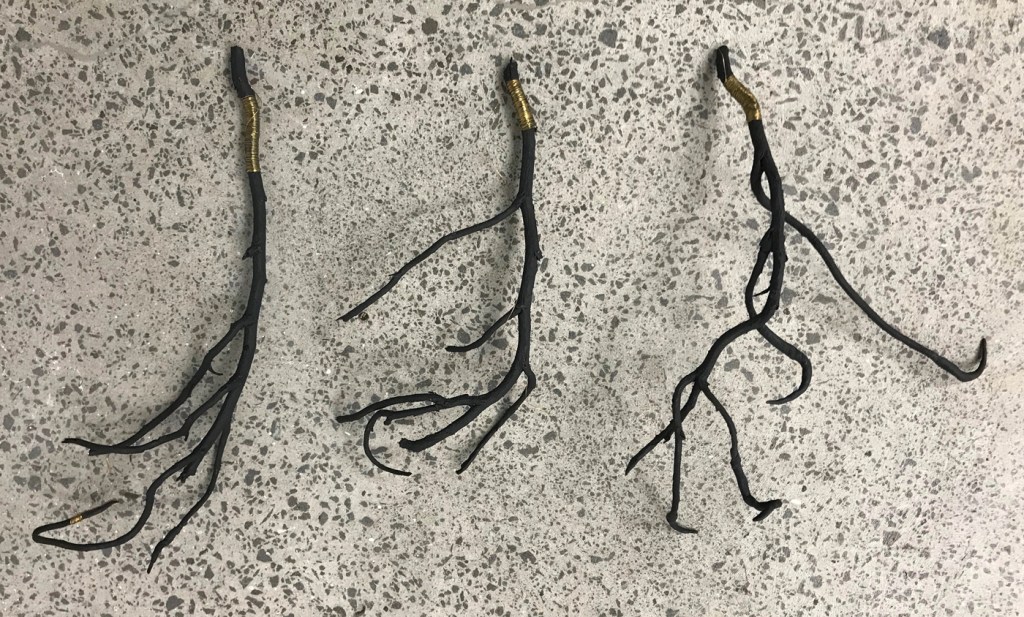
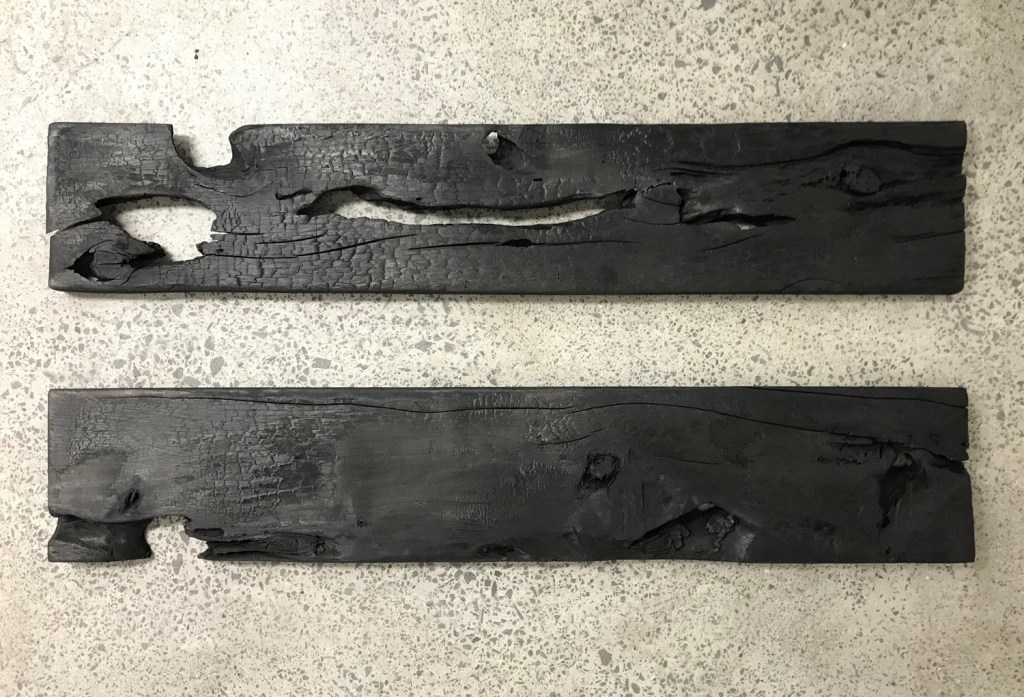
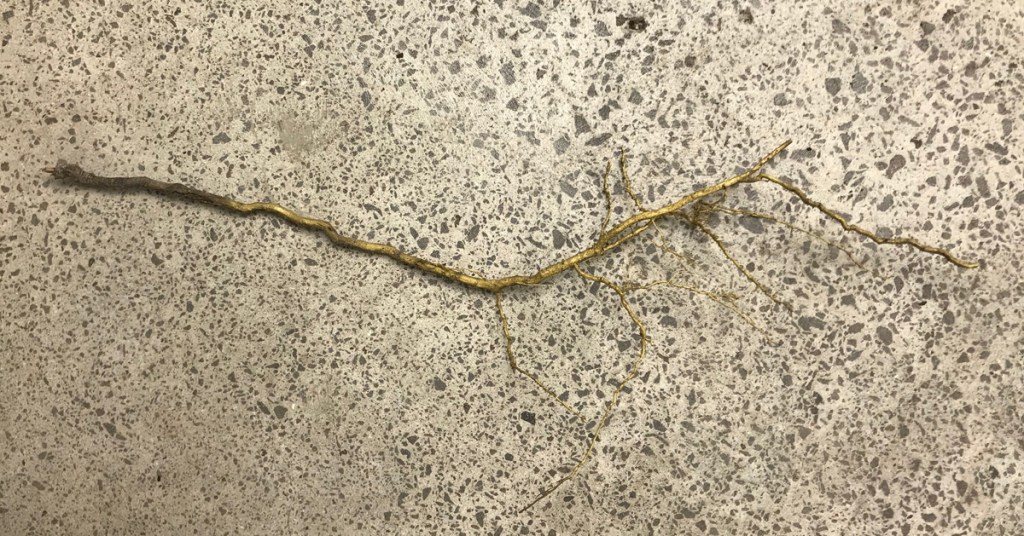
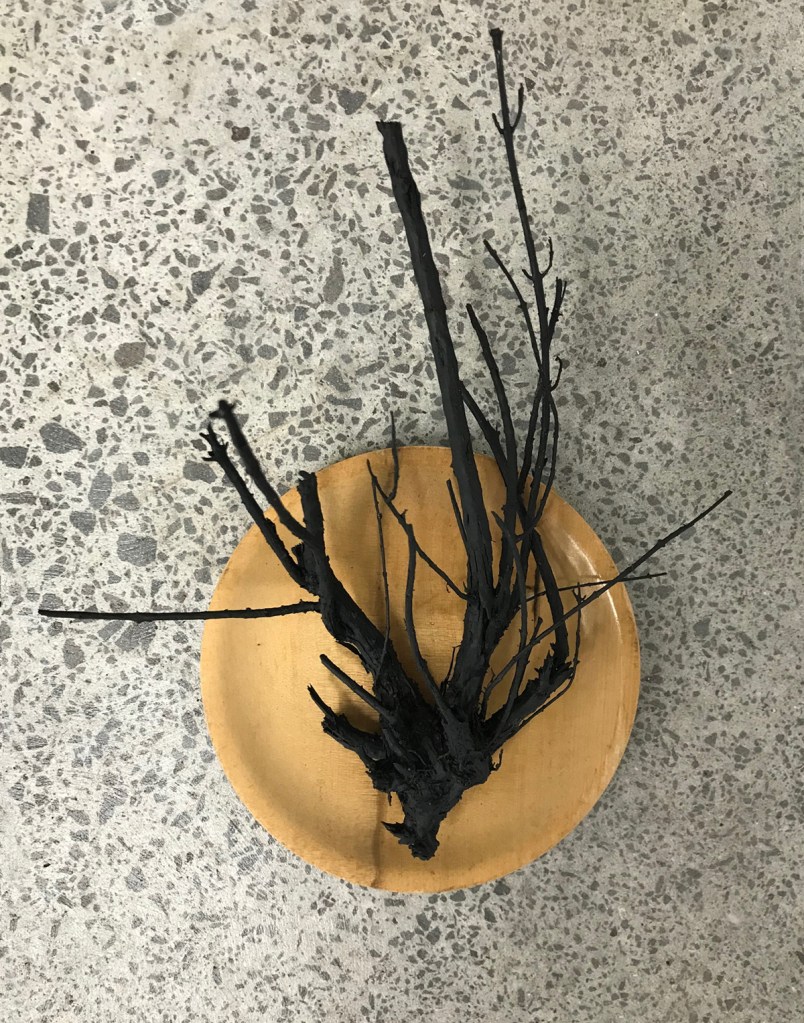
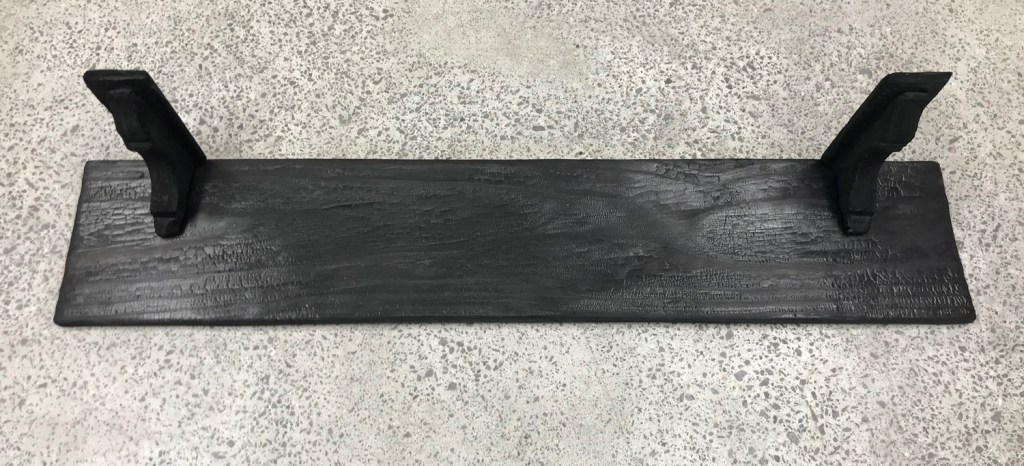
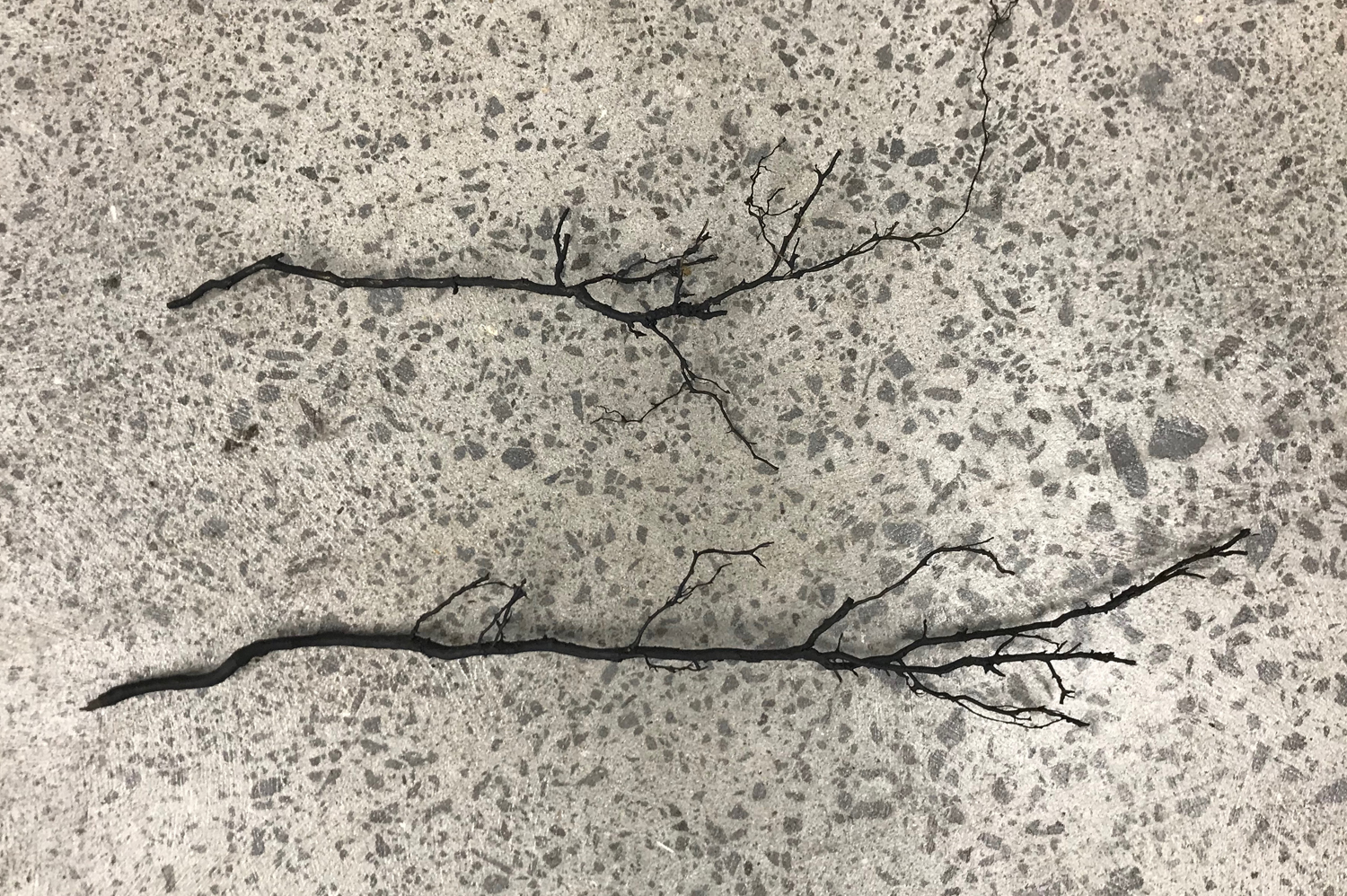
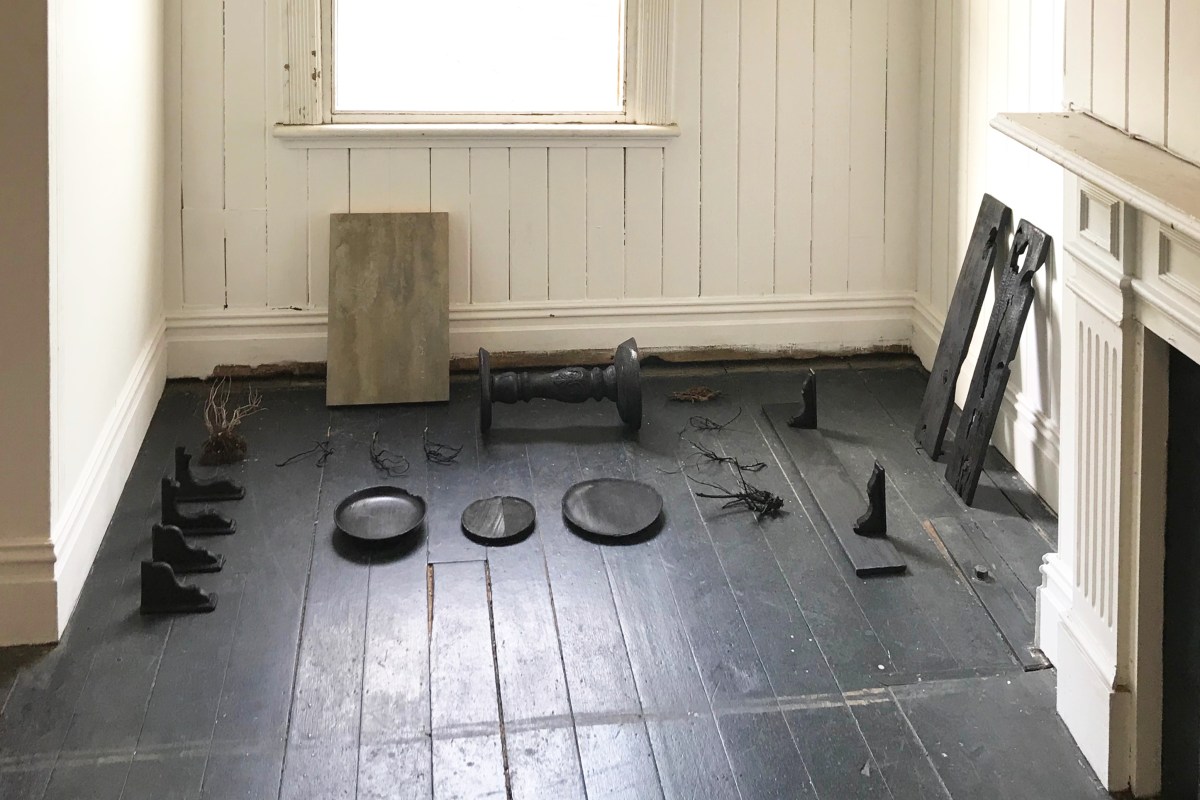
5 Abbie Read, An unsolicited acculturation, 2020, Charred non-native timbers, colonial pedestal, domestic ware, root systems, antique gold thread, hardboard canvas, paint, pencil, epoxy resin, screws

6-7 Matt Ellwood, Laurent/Vuitton #1 (Arnault/Pinault series), and Nathan on Guston, 2018, Charcoal on board

8 Amy Unkovich, Boldini’s Line, Four composite Modern Multi Panels, 2018, Concrete, pigments, salvage marble & granite, mild steel

9 Brunelle Dias, Lockdown studies, 2020, Watercolour on paper

10-11 Glen Snow, Loop-Hole, 2019, Wood, fabric (underwear leg band) and acrylic and A Kind of Excellent Dumb Discourse, 2015-2016, Wood, Builder’s Fill and acrylic

12 Dane Mitchell, A year of sleep, 2013, Rheum, glass, string

13 Tanya Martusheff, Untitled – (Pink Fascicle), 2019, Plastic hose, soap, cough syrup, zip ties, steel fixtures 

14 Claudia Dunes, Compost Relief, 2020, High Impact polystyrene, vegetal components

15 Giulio Laura as OpenCo, Material Cost, 2019, Bought casting plaster on traded paint, found pastel and graphite, scrap canvas, and rescued vinyl

16 Dan Arps, Barrier Condition, 2020, Polyurethane and acrylic paint

17 Gitanjali Bhatt, rockroller, 2020, Found mechanical object camera apparatus, rolled through rock pools with an iPhone attached, at Hatfields beach, 5’ 25”

18 Louise Keen, Untitled (one for the movement), 2020, Bricolage, recycled clothing, tape, cotton thread, card on fabric

19-20 Stella Corkery, No Title and No Title, 2020, Oil on canvas

21 Fiona Cable, zam-zody, 2020, Raw alpaca & gotland fleece, merino, silk

Critical reflections (Sept)

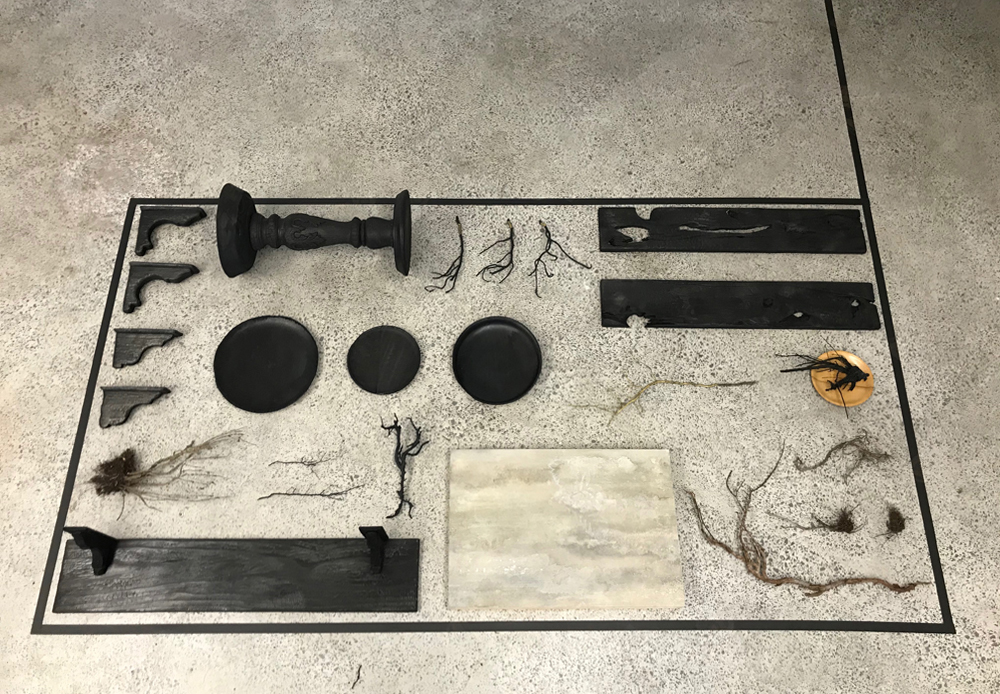
The artwork submitted for September Seminar (An unsolicited Acculturation, 2020) was comprised of the following objects:

  • charred decorative wall brackets (2x 2 pairs)
  • charred colonial pedestal (with stylised acanthus carving)
  • charred decorative platters (x3)
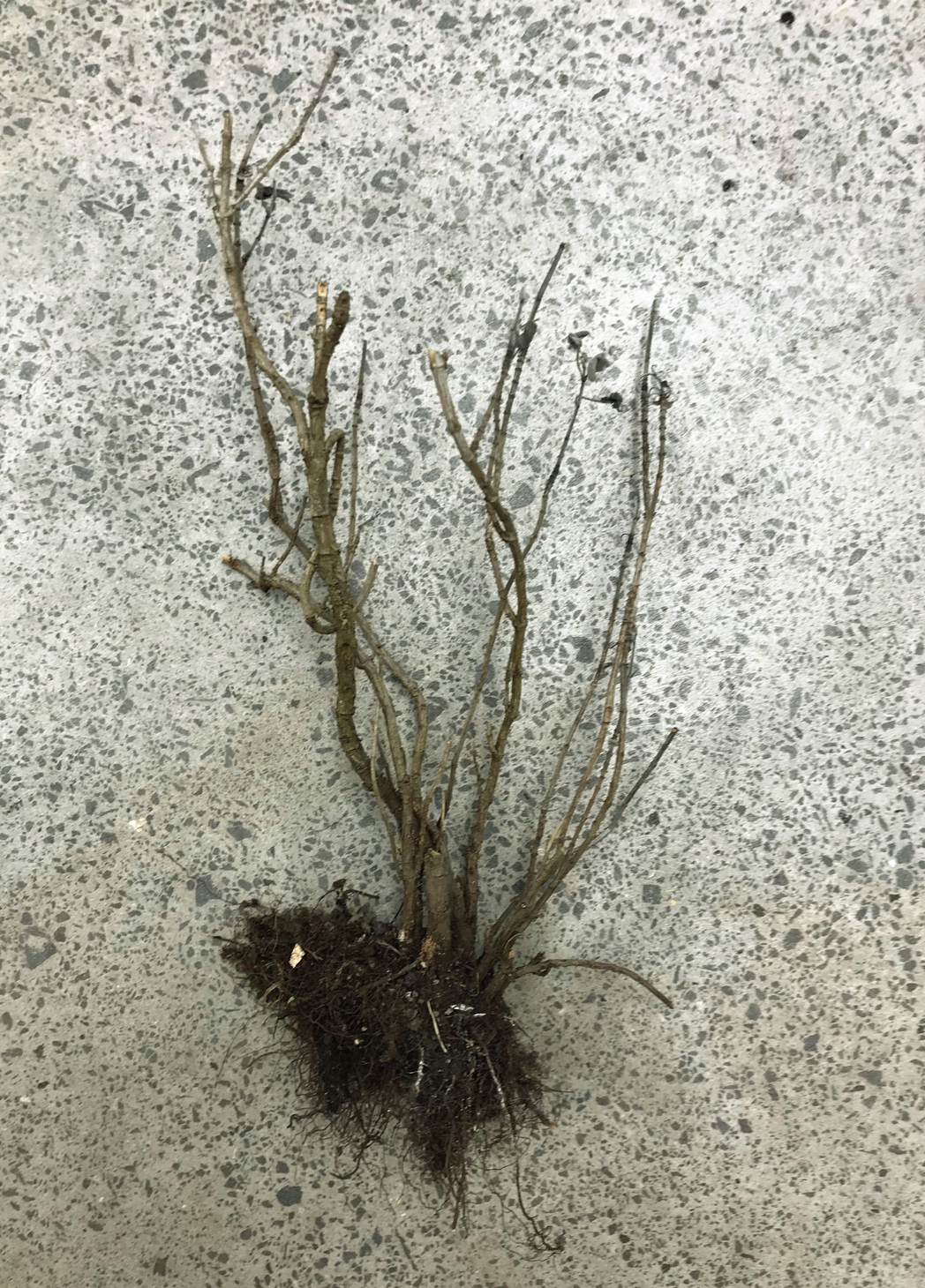
  • black painted root systems bound with antique gold thread (x3)
  • decayed charred wooden planks (x2)
  • gold painted root
  • black painted root on uncharred decorative plate
  • charred wooden shelf with decorative brackets (inverted)
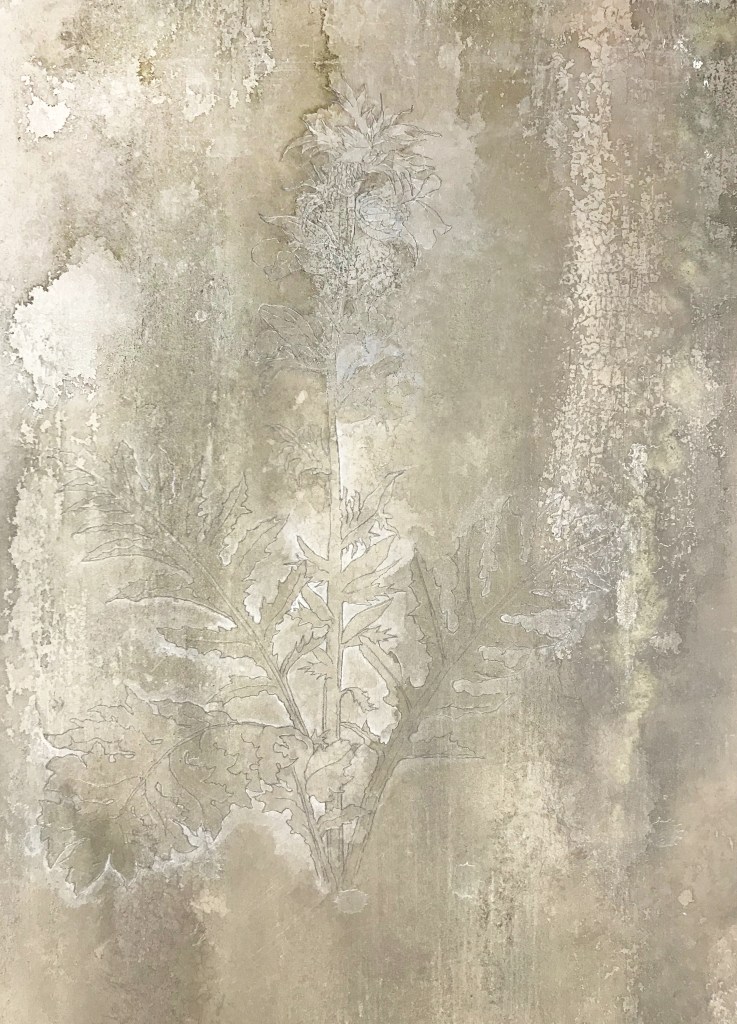
  • botanical drawing of an acanthus on distressed grey painted hardboard
  • other root systems (painted and natural)
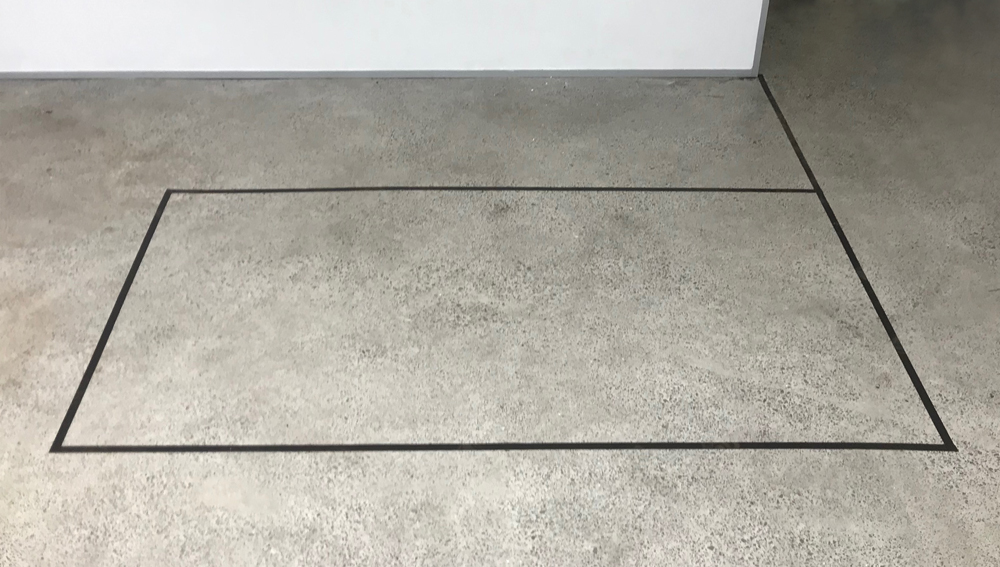
  • matte black boundary tape

Group Crit (including Abbie, Glenn, Wendy, Malaki, Megan, Sonja, Jonathan and Dane):

I initially asked for a cold read in order to gauge what associations potential viewers might make without any additional explanatory information. Here are some notes of the comments made:

  • Charred wood pieces, tree roots or branches – some painted, some natural with wire (thread)
  • Tape – a grid system employed as a display structure
  • There seem to be 4 different groupings
  • Layout appears very considered. Has required time, effort and thought
  • Gold (or copper) on wood is a surprising element, an extra enhancement
  • Shelves: incomplete, not necessarily usable as such (some have screws, some don’t)
  • It resembles a crime scene. Definitely leans to a forensic read
  • It’s almost performative, but like a still life of the aftermath of an event
  • The charred quality gives the sense that something has happened, or will happen; a consideration for some further act perhaps
  • Or perhaps it’s a “look what I found”, possibly from the same site – but the plant drawing adds an aspect of time
  • Rendering burnt vs. natural – process speaks heavily
  • Time and age
  • A house that has bunt down? Sad, distressed… this is all I have left (grouping & arrangements)
  • The odd one out: the painting of the plant and the uncharred plate
  • The painting is interesting as it skews the reading; a rendering of plant life
  • Tape leading to the wall. Is it part of the wall?
  • Footprints are noticed on the tape – boundaries have been broken by someone
  • Tape possibly acting like a painting structure, framing the work?
  • Theatrical – the colour and type of tape mark – reminiscent of places of performance…
  • Or of an art gallery – so as not to move too close (but not necessarily here as the tape is too close to the objects

Comments after the reading of the artist’s statement:

  • All the elements are about modes of display (shelves/platters/pedestal)
  • Not read as shelves (the two holey ones read as planks but of no practical value as they are too worn)
  • These objects have a resonance to human presence
  • Is there a performative aspect to the work?
  • That is the interesting moment… “you kill things to look at them”
  • Modes of display: inspection. Trying to reckon with them in a taxonomical way – a formal  happiness. They belong together because they come from the same place
  • Burning – prioritise this. The moment – you don’t know what happened first
  • Display – not normal; the displayed rendered useless
  • Archeological dig – objects not in a museum’s vault but haven’t quite made it out to exhibition
  • Japanese charring / ikebana (with the roots?). Muted tones. Window displays encountered at a shop? (maybe that’s to do with scale)
  • The weed work – not an easy set. Liked trying to see how things fit – decayed/painted. Set and preserved… botanical illustration
  • It seems found… sits alongside different modes of operation and connections
  • Discarded now. Even though they are dislocated. I’m missing something?
  • The forensic read: preservation, looking at them together and the way they sit oddly together
  • Care taken in the arrangement. Trying to work out the rules/parameters of arrangement
  • The roots all face the centre suggesting cyclical nature
  • Plates and plinths are display items/relate to display 
  • Reminded of Anthony Gormley’s Field for the British Empire with an overwhelm of multiple iterations of floor bound objects
  • Binding at the joints – the painting frame also (some binding pre-charring some post)
  • Didactic/simplified or reduced. The gold contributes more onto this (a consideration)
  • There’s a narrative quality in the layout/the grid
  • I go back to a house that has been burnt. But there are aspects that make you want to go elsewhere – painting on a twig?
  • Mainly ritual
  • The Domestic – not there with the plants – gnarly strong opposition to the roots and other construction objects – things growing on their own then not 
  • What has been pre-bound and what has happened pre-binding?
  • The painting, is really important. It adds another layer – a sense of consideration. The binding  functions like the drawing
  • Cyclic nature with the arrangement of plants and objects
  • Narrative quality – grid
  • Observation, decoration and display brought together

Overall evaluation:

The floor layout, with its taxonomical (and even forensic and archaeological) associations felt  true to my sensibilities and art practice. It also felt true to the museological timeline I feel that it references. The mode of display itself alludes to certain established museological rites.

As Simon Sheikh points out in Constitutive Effects: The Techniques of the Curator (2007), museums have their own performative rituals; exhibitions perpetuate the cycle of certain modulated behaviours and values and it is not only the objects or artworks being curated but the potential audience also. (p.175)

The tape lines on the ground create a formal delineation; a containment; a set or a subset. Continuing these demarkations to meet with the wall incorporates the gallery itself as part of the site-specific context.  

The Ikebana reading was unexpected but as a Japanese traditional technique, alongside that of the yakisugi wood charring, it forms another potential layer of unconscious cross-cultural entanglement.

To me, one of the more interesting aspects of the work is that all the objects are in places or positions they are not usually found. Theirs is a literal ‘uprooting’; they have been removed from their original contexts either by orientation, geography or placement. In conforming primarily to the mode of display their practical application has been rendered useless. What could be a more apposite rendering of nature morte than an uprooted plant? A literal ‘still life’.

It was very informative to note how the inclusion of the painting (and to a lesser extent the gold thread bindings and uncharred plate) was an important agitator to what might otherwise have been a binary and simplistic read. The work needs a couple of disruptions like these.

It was interesting to note who made what comments as often each read provided a direct correlation to their own art practices; a reminder perhaps that all audiences bring their own filters, issues and concerns.

I feel that there is an additional intimation as yet undiscussed. Any depiction of burning wood or trees, especially when encountered alongside colonial furniture, must (subconsciously or otherwise) bear a relationship to the consequent ‘scorched earth’ policies surrounding land ownership in New Zealand. This is charged and potent territory and requires further investigation and a respectful awareness to all concerned.

References:

Sheikh, Simon. 2007. ‘Constitutive Effects: The Techniques of the Curator’. In: Paul O’Neill, ed. CURATING SUBJECTS. Amsterdam: De Appel, pp. 174-185

September Seminar 2020

An unsolicited acculturation.  Charred non-native timbers, colonial pedestal and domestic ware, root systems, antique gold thread, hardboard canvas, paint, pencil, epoxy resin, screws, matte black tape.

The process of charring timber preserves it. In burning off the more combustible outer surfaces, the wood becomes fire retardant, water resistant and thus less susceptible to decay. This seemingly destructive act is conversely an act of conservation. The technique is a borrowed one; an acculturation, a non-native cross-cultural entanglement.

Weeds are plants out of context; unsolicited flora. Their perceived value altering through shifts in timeline or location. The acanthus, surely the apotheosis of the weed kingdom, entwines its way throughout art history. Its pervasive motif appearing on Greek Corinthian columns, William Morris tapestries and carved colonial furniture. It too has migrated from Western Europe and taken root in Grey Lynn gardens.

Unearthed root systems form a tangible figuration of Nature Morte.

Still life, that liminal space where utility is halted and decay transposed. 

In trying to understand and quantify the world around us and our collective place within it, the Western tradition lies in collecting, classifying, storing and displaying. 

Botanical drawings exemplify this taxonomical practice.

As Damien Hirst has observed, “ You kill things to look at them.” [1]

[1] Stuart Morgan, interview with Damien Hirst, ‘Life and Death’, Frieze, no.1, Summer, 1991, p.24 as quoted in Forms without Life https://www.tate.org.uk/art/artworks/hirst-forms-without-life-t06657